
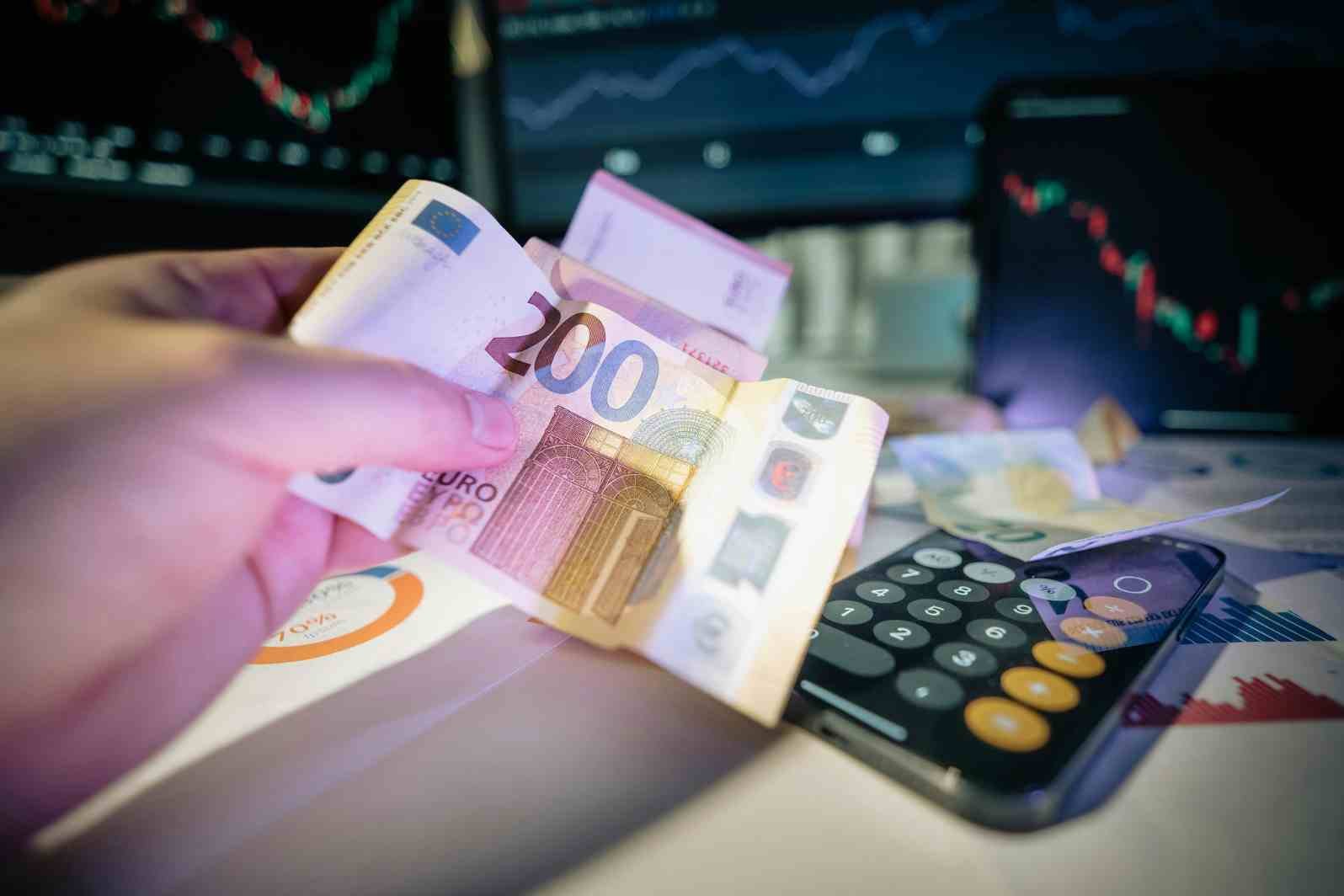
Currency trading has become an important part of modern financial markets, allowing traders to participate in the price movements of various currency pairs. Whether trading currency futures, currency options, or forex instruments, understanding the total trading cost is essential for managing profitability. Many traders focus on market opportunities but often overlook brokerage charges, taxes, and other transaction fees that can significantly impact returns.
A currency trading brokerage calculator helps traders estimate all trading related costs before placing an order. By providing a detailed breakdown of brokerage fees, regulatory charges, and taxes, the calculator enables traders to make informed decisions and improve overall trading efficiency.
1. What Is a Currency Trading Brokerage Calculator?
A currency trading brokerage calculator is an online tool designed to calculate the total cost involved in currency trading transactions. It estimates brokerage charges, taxes, exchange fees, and net profit or loss based on trade details provided by the trader.
The calculator simplifies complex calculations and helps traders understand the actual cost of every trade before execution.
2. Why Currency Traders Need a Brokerage Calculator
Currency trading often involves frequent transactions and relatively small price movements. As a result, trading costs can have a significant effect on overall profitability.
Some major benefits of using a brokerage calculator include:
- Accurate cost estimation
- Better profit planning
- Faster trade evaluation
- Improved risk management
- Greater transparency in trading expenses
These benefits help traders make smarter trading decisions.
3. How a Currency Trading Brokerage Calculator Works
A brokerage calculator uses specific trade information to estimate charges and profitability.
Common inputs include:
- Currency pair
- Buy price
- Sell price
- Trade quantity
- Brokerage plan
- Trading segment
Based on these inputs, the calculator generates a complete breakdown of trading costs.
4. Charges Included in Currency Trading
A currency trading brokerage calculator typically calculates multiple expenses associated with a trade.
These charges may include:
- Brokerage fees
- Exchange transaction charges
- Goods and Services Tax (GST)
- SEBI charges
- Stamp duty
- Regulatory fees
Understanding these charges helps traders avoid surprises when calculating actual profits.
5. Understanding Brokerage Fees in Currency Trading
Brokerage charges vary depending on the broker and trading plan selected.
Common brokerage structures include:
- Percentage based brokerage
- Flat fee brokerage
- Per lot brokerage charges
- Volume based pricing
A brokerage calculator helps traders compare these structures and identify the most cost effective option.
6. Complete Cost Breakdown Example
Consider a trader entering a currency futures trade.
The brokerage calculator may provide the following breakdown:
- Trade value
- Brokerage fee
- Exchange charges
- GST
- Regulatory charges
- Total transaction cost
This detailed view helps traders understand how each charge affects overall profitability.
7. Benefits of Using a Brokerage Calculator
A brokerage calculator offers several advantages for currency traders.
These include:
- Accurate profit estimation
- Better cost management
- Quick trade analysis
- Easy broker comparison
- Improved financial planning
Regular use of a brokerage calculator can help traders maintain greater control over trading expenses.
8. Importance for Active Currency Traders
Active traders execute multiple trades during a trading session. Even small brokerage differences can significantly impact long term profitability.
A brokerage calculator helps active traders:
- Monitor transaction costs
- Calculate break even points
- Improve trade selection
- Optimize capital utilization
- Enhance trading discipline
These benefits contribute to better overall trading performance.
9. Common Mistakes Traders Should Avoid
Many traders fail to account for the full cost of trading.
Common mistakes include:
- Ignoring brokerage charges
- Underestimating taxes and fees
- Choosing brokers without cost comparison
- Overtrading without expense analysis
- Calculating profits before deductions
Using a brokerage calculator can help traders avoid these costly errors.
10. The Future of Currency Trading Calculators
As trading technology continues to advance, brokerage calculators are becoming more sophisticated. Future tools may include real time charge calculations, AI based trade analysis, automated profit projections, and personalized trading recommendations.
These innovations may help traders make faster and more accurate decisions while reducing trading costs.
Key Takeaways
A currency trading brokerage calculator is an essential tool for understanding the true cost of currency trading. It helps traders calculate brokerage fees, taxes, exchange charges, and other expenses before placing trades. By providing a complete cost breakdown, the calculator supports better financial planning, improved risk management, and more accurate profit estimation. Whether you are a beginner or an experienced trader, using a brokerage calculator can help optimize trading performance and reduce unnecessary costs.
FAQs:
Q1. What is a currency trading brokerage calculator?
A currency trading brokerage calculator is a tool that estimates brokerage fees, taxes, and other charges involved in currency trading transactions.
Q2. Why should currency traders use a brokerage calculator?
It helps calculate total trading costs accurately and improves profit planning before executing trades.
Q3. What charges are included in a currency trading brokerage calculator?
It typically includes brokerage fees, exchange charges, GST, SEBI fees, stamp duty, and other regulatory costs.
Q4. Can a brokerage calculator help compare different brokers?
Yes, it allows traders to compare brokerage structures and choose the most cost effective trading platform.
Q5. Is a brokerage calculator useful for active currency traders?
Yes, active traders can use it to monitor transaction costs, calculate profitability, and improve trading efficiency.